
Introduction
Why does the US border wall exist along the southern border with Mexico, while the northern border with Canada remains open and largely unfortified?
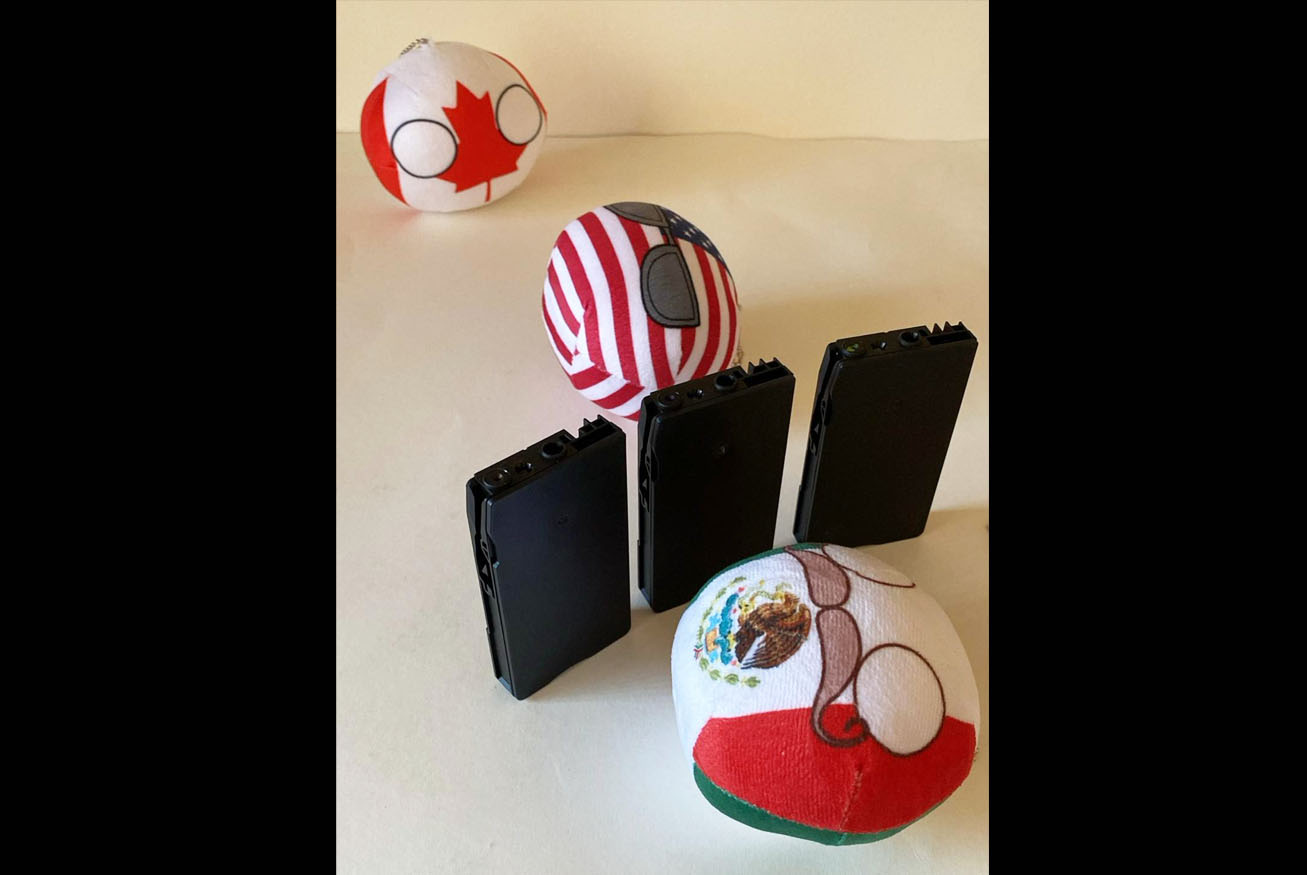
This question appears frequently in political discussions, news debates, and online forums. It has also become a recurring theme in internet satire, especially in Countryball animations.
In one of our recent Countryball shorts, Mexico asks to enter. The U.S. blocks the way with walls. Canada humorously explains:
“We only have polar bears — they don’t go to America.”
While the joke is simple, the reality behind the US border wall involves history, migration patterns, security policy, and geography.
Watch the original short below:
Why Was the US Border Wall Built?
The US–Mexico border stretches approximately 1,954 miles, according to official data from the U.S. Customs and Border Protection (CBP). (Source: U.S. CBP Border Overview)
Over several decades, parts of this border have been reinforced with fencing, barriers, and physical walls.
The US border wall has been justified by policymakers for several reasons:
- Immigration control
- Drug trafficking prevention
- Border security enforcement
- Political policy changes
The issue gained major national attention during recent presidential administrations, when border wall expansion became a central campaign promise and legislative debate.
Supporters argue that the US border wall strengthens national security.
Critics argue that it is costly, politically symbolic, and limited in effectiveness.
The debate continues today.
Why Is There No US Border Wall Between the United States and Canada?
The US–Canada border is the longest international land border in the world, measuring about 5,525 miles.
Despite its length, there is no large-scale US border wall on the northern frontier.
Why?
1. Long-Term Peaceful Relations
The United States and Canada have maintained stable diplomatic relations for more than two centuries. Military conflict between the two nations is historically rare.
2. Different Migration Patterns
Unauthorized migration pressure is significantly lower along the northern border compared to the southern border.
3. Strong Economic Integration
Both countries are deeply connected economically through trade agreements such as USMCA. Cross-border business travel and commerce are routine and mutually beneficial.
4. Geography and Climate
Large portions of the northern border pass through remote forests, lakes, and extremely cold regions. Natural barriers reduce population flow.
This reality is what inspired the Countryball joke:
“We only have polar bears.”
How Border Walls Become Political Symbols
Beyond physical barriers, the US border wall has become a symbol of broader political discussions about:
- Immigration reform
- National identity
- Sovereignty
- Globalization
Countryball satire exaggerates these themes by turning countries into characters.
In simplified form:
- Mexico wants entry
- The U.S. builds walls
- Canada observes calmly
This storytelling transforms complex geopolitical issues into digestible humor.
Countryballs and Real-World Politics
Countryballs remain popular because they:
- Simplify complex history
- Turn international relations into dialogue
- Use humor to explore serious political themes
If you enjoy political satire in plush form, explore:
👉 Mexico Countryball Plush
https://cbctoys.com/product/mexicoball-mexico-countryball-plushie-4-inch/
👉 Canada Countryball Plush
https://cbctoys.com/product/canadaball-plushie-4-inch/
FFinal Thoughts
The difference between the US–Mexico border and the US–Canada border reflects:
- Migration pressures
- Historical relationships
- Policy debates
- Geographic realities
And sometimes, as Countryballs suggest…
Just polar bears.